High-Yield Savings Accounts: Complete 2025 Guide
Discover how high-yield savings accounts help you earn 10-15x more interest than traditional banks. Compare rates, benefits, and find the best account for your money.
High-Yield Savings Accounts: Complete 2025 Guide
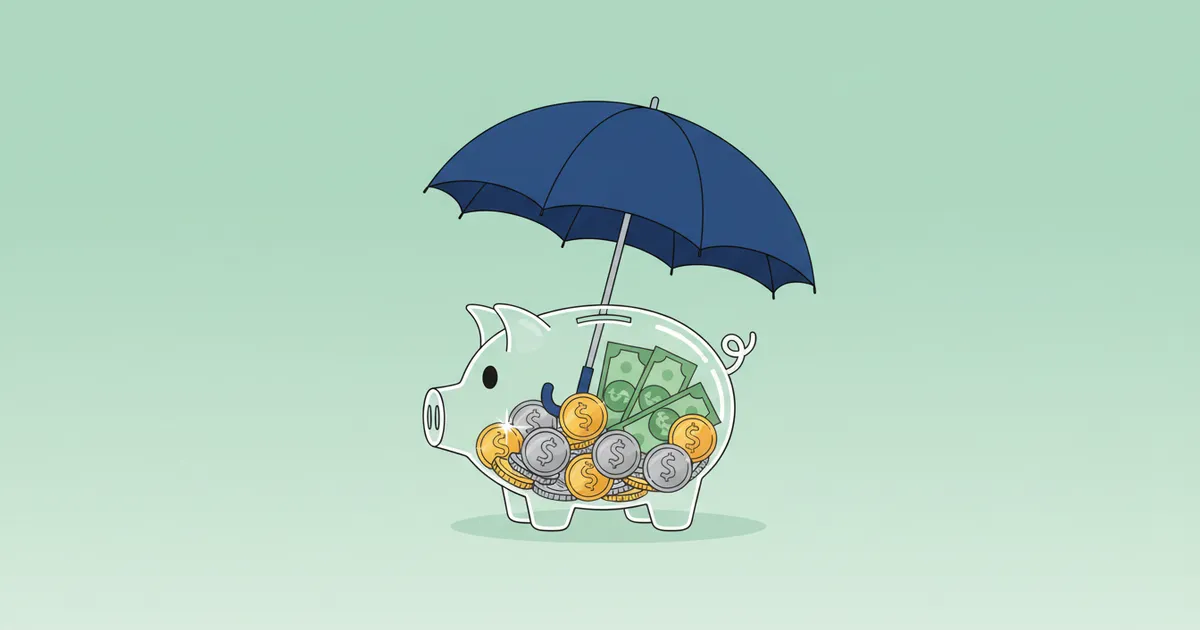
Are you earning less than 1% interest on your savings? You're leaving money on the table. High-yield savings accounts (HYSAs) currently offer 4.5-5.0% APY—that's 10-15x more than traditional banks.
What is a High-Yield Savings Account?
A high-yield savings account is a savings account that pays significantly higher interest rates than traditional bank savings accounts. As of January 2025, HYSAs offer around 4.5-5.0% APY, while traditional banks pay just 0.40-0.46% on average.
With $10,000 in savings, a high-yield account earning 5% APY generates $500 in interest annually. The same amount in a traditional bank earning 0.46% generates only $46—a difference of $454 per year.
How Much More Can You Earn?
Let's compare real numbers:
| Account Type | APY | $10,000 After 1 Year | $10,000 After 5 Years |
|---|---|---|---|
| Traditional Bank | 0.46% | $10,046 | $10,232 |
| High-Yield Savings | 5.00% | $10,500 | $12,763 |
| Difference | +4.54% | +$454 | +$2,531 |
The difference compounds over time. After 5 years, you'd have $2,531 more just by moving your money to a high-yield account.
Best High-Yield Savings Accounts (2025)
Top-rated HYSAs offering competitive rates:
Marcus by Goldman Sachs
- APY: 4.50%
- Minimum: $0
- Fees: No monthly fees
- Features: No minimum balance, easy transfers, excellent customer service
Ally Bank
- APY: 4.35%
- Minimum: $0
- Fees: No monthly fees
- Features: No minimum, 24/7 customer service, overdraft protection
American Express Personal Savings
- APY: 4.30%
- Minimum: $0
- Fees: No monthly fees
- Features: FDIC insured, mobile app, automatic savings features
Capital One 360 Performance Savings
- APY: 4.25%
- Minimum: $0
- Fees: No monthly fees
- Features: No fees, easy transfers, nationwide ATM access for checking customers
HYSA rates fluctuate with the Federal Reserve's interest rate decisions. Check current rates before opening an account. The accounts above consistently rank among the highest.
Benefits of High-Yield Savings Accounts
1. Significantly Higher Returns
Earn 10-15x more interest than traditional savings accounts without additional risk.
2. FDIC Insurance
Your money is protected up to $250,000 per depositor, per insured bank—the same protection as traditional banks.
3. Easy Access
Transfer money to your checking account typically within 1-2 business days. Perfect for emergency funds.
4. No Monthly Fees
Most HYSAs have no monthly maintenance fees or minimum balance requirements.
5. Low Minimum Deposits
Many require $0 minimum to open, making them accessible to everyone.
Why Online Banks Offer Higher Rates
Online banks can offer higher interest rates because they have lower overhead costs:
- No physical branches to maintain
- Lower staffing costs
- Savings passed to customers through higher APY
APY is the real rate of return on your savings after accounting for compound interest. A 5.00% APY means you'll earn 5% on your balance over one year, with interest compounding (typically daily or monthly).
How to Choose the Best HYSA
Consider these factors when selecting a high-yield savings account:
1. Interest Rate (APY)
Compare current APYs across multiple banks. Even 0.10% difference adds up over time.
2. Minimum Balance Requirements
Choose accounts with $0 minimum to avoid fees and maintain flexibility.
3. Monthly Fees
Avoid accounts with monthly maintenance fees—they eat into your interest earnings.
4. Transfer Speed
Check how quickly you can move money to your checking account for emergencies.
5. Mobile App Quality
A good mobile app makes managing your savings convenient.
6. Customer Service
24/7 customer service is valuable for urgent needs.
What to Use a HYSA For
High-yield savings accounts are ideal for:
Use HYSAs for short-term savings goals and emergency funds—money you need to access within 3-5 years. For long-term goals (retirement, college), invest in the stock market for higher historical returns.
Perfect for:
- Emergency fund (3-6 months expenses)
- Sinking funds (car insurance, annual fees)
- Short-term savings goals (down payment, vacation in 1-2 years)
- Large cash reserves earning meaningful interest
Not ideal for:
- Long-term investing (use retirement accounts instead)
- Daily spending (use checking account)
- Money you'll need weekly (too many transfers may violate Regulation D)
How to Open a HYSA
Opening a high-yield savings account is straightforward:
- Research and compare rates from multiple banks
- Gather information: Social Security number, driver's license, funding source
- Apply online (takes 10-15 minutes)
- Fund your account via transfer from checking
- Set up automatic transfers to build savings consistently
Keep your HYSA at a DIFFERENT bank than your checking account. This creates psychological separation and reduces impulse spending from your savings.
HYSA vs. Other Savings Options
High-Yield Savings vs. Traditional Savings
| Feature | HYSA | Traditional Savings |
|---|---|---|
| Interest Rate | 4-5% | 0.40-0.46% |
| Access | 1-2 days | Instant |
| FDIC Insurance | Yes | Yes |
| Fees | Usually $0 | Often has fees |
High-Yield Savings vs. CDs
| Feature | HYSA | Certificate of Deposit |
|---|---|---|
| Interest Rate | 4-5% (variable) | 4-5.5% (fixed) |
| Access | Anytime | Locked for term |
| Flexibility | High | Low (early withdrawal penalties) |
| Best For | Emergency funds | Money you won't need for 6+ months |
High-Yield Savings vs. Money Market Accounts
| Feature | HYSA | Money Market |
|---|---|---|
| Interest Rate | 4-5% | 4-5% |
| Access | Transfer only | Checks + debit card |
| Minimum Balance | Usually $0 | Often $1,000+ |
| Fees | Rare | More common |
Common Myths About HYSAs
Myth 1: "They're not safe because they're online"
Truth: Online banks are FDIC insured just like traditional banks, protecting deposits up to $250,000.
Myth 2: "It's hard to access your money"
Truth: Transfers typically take 1-2 business days—perfectly adequate for emergency funds.
Myth 3: "The interest rate will drop suddenly"
Truth: Rates adjust gradually with Federal Reserve changes, giving you time to react.
Myth 4: "Traditional banks will match the rate if I ask"
Truth: Traditional banks rarely match online bank rates due to their higher operating costs.
Tax Implications
Interest earned on savings accounts is taxable as ordinary income. You'll receive a 1099-INT form if you earn more than $10 in interest per year.
- Report all interest income on your tax return
- Interest is taxed at your ordinary income tax rate
- Consider tax-advantaged accounts (Roth IRA, HSA) for larger savings if eligible
When Rates Might Change
HYSA rates fluctuate based on the Federal Reserve's benchmark interest rate:
- Rate increases: When the Fed raises rates, HYSA rates typically increase
- Rate decreases: When the Fed lowers rates, HYSA rates typically decrease
- Competition: Banks adjust rates to attract or retain customers
Check your HYSA rate every 6 months. If your bank drops significantly below competitors, consider switching. Most banks don't notify you when they lower rates.
Take Action Today
If you're earning less than 4% on your savings, you're missing out on hundreds or thousands of dollars in interest. Open a high-yield savings account today:
- Compare rates from Marcus, Ally, AmEx, and Capital One
- Apply online (takes 15 minutes)
- Transfer your savings
- Watch your money grow on autopilot
Moving to a high-yield savings account is one of the easiest financial improvements you can make. It requires 15 minutes of setup and earns you 10-15x more interest with zero additional risk.
Ready to earn more on your savings? Compare today's best high-yield savings account rates and make the switch.